
Clean Screens, Clear Focus

Today we explore Minimalist Digital Workspaces: Reducing On‑Screen Clutter to Sharpen Attention. Expect psychology, step‑by‑step audits, design patterns, and gentle habits that transform frantic interfaces into calm, capable companions for deep work across laptops, phones, and browsers, without sacrificing capability or creative spark. We will also share real stories and invite your experiments to fine‑tune a personal setup that reduces friction and expands attention when it matters most.

Why Less on Screen Feels Like More in Mind

When choices crowd a display, your brain juggles micro‑decisions, delaying momentum and inviting distraction. Simplifying what you see reduces search time, lightens cognitive load, and shortens the path to action. Research on attention residue shows switching tasks leaves traces that drag performance. Clearing visual noise reduces those switches, letting concentration deepen. Consider this your mindful pause before the workday rush: fewer elements, clearer intention, faster engagement, and a calmer baseline for meaningful progress.

Desktop, Dock, and Menu Bar Reset

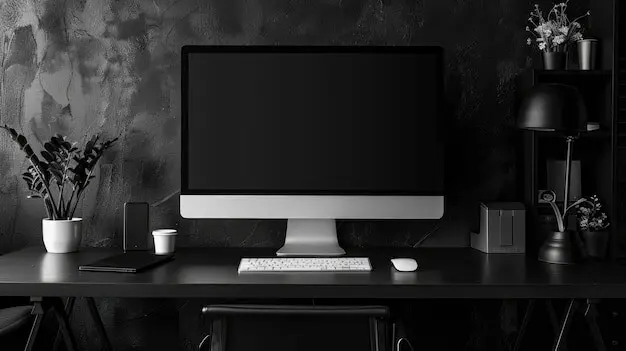
Move loose files into an Intake folder, leaving your desktop blank by default. Pin only daily essentials to the dock, hide labels, and enable automatic hiding to remove idle distractions. In the menu bar, keep the two or three indicators you check intentionally, not habitually. Everything else belongs behind a hotkey or within a launcher. After the reset, take a screenshot for future comparison. Visible calm becomes self‑reinforcing, reminding you that digital order supports steady, satisfying progress.

Browser Detox Without Breaking Workflow

Audit extensions and remove anything you rarely use, especially those adding visual chrome. Create minimal profiles per context, such as research, client work, or personal reading. Pin a handful of always‑on tabs, then keep one working tab in focus. Enable reader view for articles, and collapse sidebars until needed. Session managers can preserve depth without broadcasting everything at once. The aim is quick access plus intentional visibility, so your current objective stands alone, free from neighboring temptations and restless curiosity.

Designing Interfaces That Invite Focus

{{SECTION_SUBTITLE}}

Type, Size, and Line Length That Breathe
Set a typeface that feels transparent to the task. Use sizes that prevent squinting and line lengths that avoid zigzagging eye movements. Generous leading helps rhythm, while consistent headings mark milestones. Keep italics and bold purposeful, not decorative. The payoff is subtle but profound: you read in full phrases rather than scattered fragments, comprehension rises without strain, and your working memory can hold ideas together longer, enabling smoother drafting, coding, or analysis without that familiar feeling of visual fatigue.

Color as Signal, Not Decoration

Reserve color for meaning. One accent for primary action, a quieter shade for secondary steps, and neutral backgrounds for content. Avoid rainbows that compete for attention. Consistency reduces guesswork, so the same hue always suggests the same intent. When color becomes messaging rather than ornament, you can glance once and know what to do next. Accessibility improves too, as contrast stays strong and redundancy through shape or labels backs up cues, ensuring clarity even when conditions or screens are less than ideal.

A Lean App Stack That Still Does Everything

Fewer tools can deliver more flow. Consolidate capture, notes, and tasks into a small set you truly master. Prefer apps that emphasize keyboard access, clean views, and flexible exports. Integrations should enable invisible handoffs, not scatter your information. A practical benchmark is comfort under pressure: when a deadline looms, you should know exactly where ideas live and how to move them forward. Depth replaces novelty, and stability beats incessant tinkering. Simpler scaffolding frees energy for the craft that actually matters.

Consolidate Capture and Notes

Pick one place to catch everything, from fleeting ideas to meeting action items. Keep inbox notes brief, then sort into durable pages or tasks during a daily review. Use templates to reduce clicks, and lightweight tagging for recall. Plain text or markdown often provides the right balance between structure and speed. When capture feels effortless, you stop juggling memory and start trusting the system. That trust quiets mental noise so you can write, design, or code without fear of forgetting.

A Launcher‑Centric Workflow

Launchers turn intent into action with a few keystrokes. Open files, start timers, append notes, or trigger focus scenes without touching the mouse. This reduces context drift and keeps eyes on your current artifact. Combine fuzzy search with predictable naming, and your computer becomes an instrument, not a menu maze. As muscle memory grows, you eliminate seconds of friction across hundreds of interactions, creating compounding ease that feels like time discovered rather than another gadget‑driven optimization project chasing diminishing returns.

One Calendar, One Inbox, Many Rules

Unify scheduling and communication, then let rules handle triage. Route newsletters into a reading bundle, flag VIPs for immediate attention, and convert action‑heavy emails into tasks with links back to context. Keep a single calendar as the authoritative source, color‑coding by area rather than tool. The goal is fewer places to check and fewer reasons to hesitate. With coherent channels, you regain initiative, guiding your day by intention instead of reacting to whichever window happens to be loudest at the moment.

The Daily Visual Reset Ritual

End each session by closing stray tabs, archiving downloads, and returning windows to a consistent layout. Capture unfinished thoughts into your system so they do not haunt tomorrow’s focus. Clear your desktop and silence badges before stepping away. This ritual takes minutes but repays with an uncluttered morning and an immediate sense of direction. Share your before‑and‑after screenshot with us, and note how your first action tomorrow arrives faster because your screen already points gently toward the next meaningful step.

Tab Hygiene and Session Saving

Set intentional limits, like one working window and a pinned core of reference tabs. Use a session manager to store research without leaving it visible. When curiosity strikes, send links to a reading queue rather than opening ten new pages. This preserves momentum while respecting exploration. Weekly, prune the queue and celebrate the clarity you kept. Readers often report that this simple habit reduces fatigue dramatically, because the screen no longer argues with their immediate purpose every time they glance upward.

Automation and Focus Modes

Automations convert good intentions into reliable defaults. Build profiles that dim distractions, open the right workbench, and set status across chat tools. Let scripts file downloads, rename assets, and prepare project folders. Window managers arrange layouts that reduce peeking. Focus modes enforce notification hygiene without constant willpower. Each piece is small, but together they create a consistent runway for deep work, so you start inside momentum rather than reconstructing it. Treat automation as quiet choreography that prepares the stage before you arrive.
Define profiles for writing, design, calls, and rest. Each toggles displays, apps, do‑not‑disturb settings, and lighting if available. Trigger them by schedule, location, or a hotkey. When you sit down, the environment already whispers the next move. Colleagues see an accurate status, reducing interruptions. Crucially, you simplify transitions, protecting the fragile bridge between tasks. By reducing choices at the moment of change, you lower friction and keep attention from spilling while your mind approaches the new challenge ahead.
Use a tiler to snap a primary canvas front and center, with a single reference panel alongside. Keep everything else hidden behind shortcuts. Consistent geometry means your eyes travel predictable paths, conserving effort. When you switch contexts, apply layouts as presets rather than manual drags. This removes the tiny tax of arranging space and prevents toolbars from accumulating like driftwood. Over time, arrangement becomes an extension of intent, so opening a layout feels like putting on the right gloves for the job.
Shortcuts, shell scripts, or automation utilities can rename files, move exports into project folders, and clean temporary items on a schedule. They also open the exact tabs you need, then close them when the session ends. Automating these bookends shrinks the gap between wanting to start and actually beginning. Share a small script with our community, learn from others, and iterate gently. The best automations remove nagging chores, restoring attention for the creative and analytical work that truly benefits from your presence.
Loronexozentonarikaropexi
Privacy Overview

This website uses cookies so that we can provide you with the best user experience possible. Cookie information is stored in your browser and performs functions such as recognising you when you return to our website and helping our team to understand which sections of the website you find most interesting and useful.