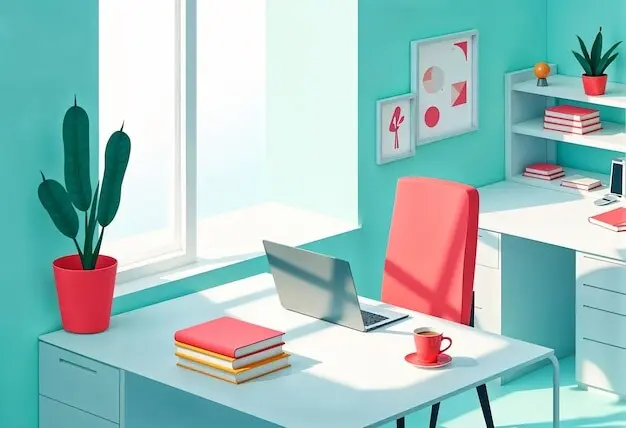

Bring the Wild into Focus: Biophilic Paths to Deep Work and Calm

Today we explore biophilic design elements that support deep work and mental restoration, translating the quiet intelligence of forests, daylight, and flowing air into rooms where ideas take root. Expect science, small rituals, and practical layouts that tame distractions, replenish attention, and gently guide your mind from scattered urgency toward steady, rewarding concentration.

Why Nature Refuels Attention

Concentration fatigues when every surface, alert, and noise pulls at us. Research from Attention Restoration Theory and stress recovery shows that natural patterns offer soft fascination, lowering cognitive load while inviting gentle curiosity. Blended with intention, this relationship helps your mind both recover and sharpen, creating an environment where complexity becomes navigable and sustained effort finally feels deeply humane rather than punishing.

Daylight, Depth, And View Strategies

Angle your primary workstation near side-lit windows rather than directly facing a blinding sky patch. Use sheer curtains, micro-prismatic films, or adjustable blinds to diffuse brightness without killing views. Bounce soft light off matte surfaces to deepen space. Where possible, frame a fragment of horizon or canopy, since distant focal points relax ocular muscles, steady breath, and anchor attention through multi-hour undertakings with surprisingly little effort.

Tunable And Layered Electric Lighting

Pair a bright, cool-white ambient layer for morning momentum with warm, low-glare task lighting for detail work and evening wind-down. Avoid harsh downlights on screens; prefer indirect washes, desk lamps with dimmers, and adaptive schedules. Match color temperatures to goals: cooler for alertness, warmer for reflection. This choreography reduces squinting, visual “heat,” and mental agitation, supporting steady, nourishing focus across changing energy levels and task types.

Materials That Calm The Nervous System

Touch influences cognition. Natural materials invite slower breathing and a grounded sense of place. Wood grain, stone heft, linen softness, and clay’s quiet matte absorb frantic edges. Together they counter chatter that accumulates from plastic sheen and metallic clang. Paired with low-VOC finishes and natural hues, materiality becomes an ally, transforming desks into reliable sanctuaries for demanding writing, coding, drawing, or strategic thinking.

Living Systems At Arm’s Reach

For low-light desks, consider ZZ plant, snake plant, or pothos; each tolerates irregular watering and north windows. In brighter spaces, try rubber plant or monstera for bold leaves that cast inspiring shadows. Use breathable pots with saucers, set calendar nudges for watering, and rotate plants quarterly. Over time, noticing a new leaf becomes a motivational milestone that syncs with your project’s quiet, steady progress.
If living maintenance feels daunting, introduce biomorphic motifs—leaf veining in textiles, branching shelves, or a modular trellis that hosts a few hardy vines. Even a small, well-lit moss panel can signal organic complexity without fuss. Avoid visual clutter; keep patterns legible at a distance. The goal is re-creating nature’s layered order, guiding attention with gentle curves that echo rivers, fronds, and the branching intelligence of trees.
Plants can modestly influence perceived freshness, but true air quality depends on ventilation and source control. Use low-VOC materials, open windows when weather allows, and mind humidity between forty and fifty percent. Wipe leaves to boost photosynthesis and prevent dust glare. Think of plants as psychological co-workers improving mood and pace, while mechanical ventilation and filtration do the heavy lifting in sustaining clarity.

Air, Sound, And Water For Mental Clarity

Quiet is not silence alone; it is control. Fresh air reduces headaches and drift, while supportive soundscapes shield focus without numbing the mind. Water adds a gentle cue for calm when tuned carefully. Design these layers together so your nervous system stops bracing, your jaw unclenches, and your thinking moves with deliberate steadiness through complex, rewarding challenges.

01

Fresh Air Without Drafts

Aim for steady ventilation and a comfortable temperature gradient without cold blasts on wrists or neck. Consider trickle vents, a silent fan on low, and plants placed away from direct airflow. Keep carbon dioxide below eight hundred parts per million during heavy work. A small monitor helps. Pair airflow with posture-friendly seating and periodic stretches so oxygen availability translates into genuine cognitive endurance.

02

Soundscapes That Protect Immersion

If neighbors or street noise snap your attention, layer soft pink noise or rustling leaves at a barely audible level. Over-ear headphones reduce rumble while preserving awareness of your breathing. Keep volumes safe, below conversational levels. Many find light nature loops more sustainable than lyrical music for hours. Fine-tune until interruptions blur into a gentle, supportive hush that extends your productive runway significantly.

03

Water That Soothes, Not Distracts

A small fountain can lower arousal and mark a boundary between preparation and execution. Pick adjustable flow to avoid splashy spikes, and place it outside your direct sightline to preserve visual focus. Clean weekly to prevent mineral hiss. If maintenance is daunting, substitute a recorded brook loop at low volume. The point is rhythmic softness that steadies breath and cradles demanding cognition gracefully.
A Two-Mode Desk Choreography

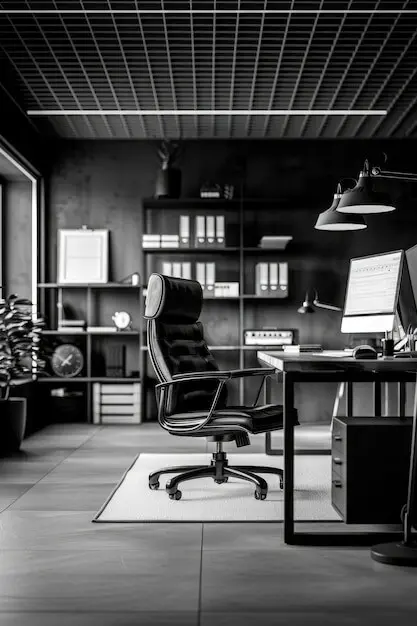
Arrange for ideation facing a view or plant cluster, then rotate to a perpendicular execution station with fewer stimuli. Use a cable-managed shelf to keep tools at arm’s reach. A small wooden tray becomes your focus token: place it before deep work, remove it when pausing. This simple, physical shift signals the brain without drama, reducing start-up friction and decision fatigue measurably.

Ninety Minutes On, Five Minutes To Restore

Work in concentrated blocks, then take microbreaks gazing at leaves, horizon lines, or a sunlit wall. One experiment found even a forty-second green glance aided accuracy afterward. Add two slow stretches and a glass of water. Avoid phones during breaks; let nature’s quiet complexity refill attention. Share your preferred cadence with us, swap strategies, and compare which biophilic cue most reliably renews momentum.

Evening Shutdown With Sunset Cues

Dim lights to warm tones, clear the desk, water plants if needed, and note one gratitude plus tomorrow’s first action. Close with a minute of window-gazing to mark closure. This ritual respects circadian winds, reduces anxious rehearsal, and protects sleep quality. Subscribe for weekly prompts, send photos of your setup, and tell us which small cue most powerfully transforms your evenings into fertile, restful ground.

Loronexozentonarikaropexi
Privacy Overview

This website uses cookies so that we can provide you with the best user experience possible. Cookie information is stored in your browser and performs functions such as recognising you when you return to our website and helping our team to understand which sections of the website you find most interesting and useful.