Build a Focused Study Corner at Home
Today we explore designing distraction-resistant study spaces for students learning from home, blending behavioral science, ergonomics, layout strategy, and sensory design. Expect practical, budget-friendly ideas, stories from real households, and small experiments you can run this week. By the end, you will have a calm, cue-rich corner that nudges focus, reduces friction, and turns study time into a clear, repeatable routine that actually feels sustainable.
Spotting Hidden Distractions
Not all distractions shout. A pile of laundry, a buzzing phone, the TV murmuring two rooms away, or a snack drawer within reach can splinter attention. Start with a five-minute observation: sit, breathe, and list every tug on your focus. Then remove, relocate, or mask them. Even flipping notebooks closed, parking the phone in a hallway basket, and sliding a chair to face a blank wall can cut countless micro-glances and save real study minutes.
Attention Science You Can Use
Attention is finite, and working memory hates clutter. Environmental cues prime habits: a desk facing daylight and a tidy surface sets a study intention before you open a book. Implementation intentions help too: if it is 4 p.m., then I sit, open biology notes, and start the first page. Combine this with friction reducers like pre-staged pens and water, and friction increasers like distant snacks and silenced notifications, to guide your brain toward sustained concentration.
Create Zones Without Walls
Use what you already have. A bookshelf as a divider, a low-cost folding screen, or a strategically placed plant row can carve out privacy without remodeling. A rug under the chair anchors the study footprint and dampens sound. Tape a rectangle on the floor to ritualize starting: step in, sit, and begin. If you share a table, deploy a portable shield, like a trifold board, to block sightlines and reduce impulse conversations during scheduled focus windows.
Tidy Surfaces, Clear Mind
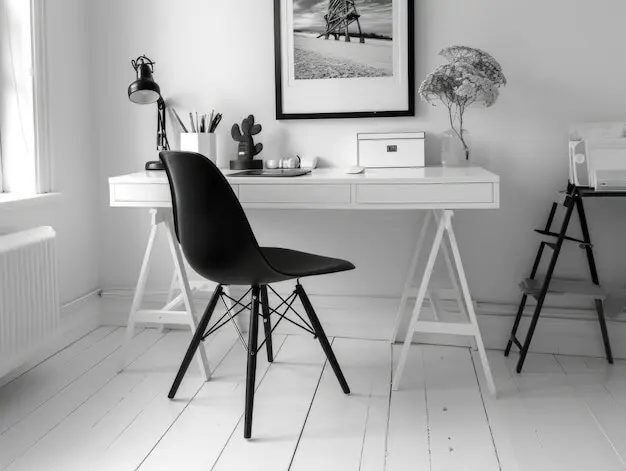
Visual clutter taxes attention. Adopt a one-tray rule: only current materials live on the tray during a session, everything else stays in a drawer, bin, or cart. Keep a daily reset basket to sweep stray items in thirty seconds. Label shelves clearly so finished work has a home. Store colorful, playful items behind closed doors when studying. A calm, sparse desktop reduces decision fatigue, encourages single-tasking, and makes it easier to notice progress as pages fill.
Light That Energizes, Not Agitates
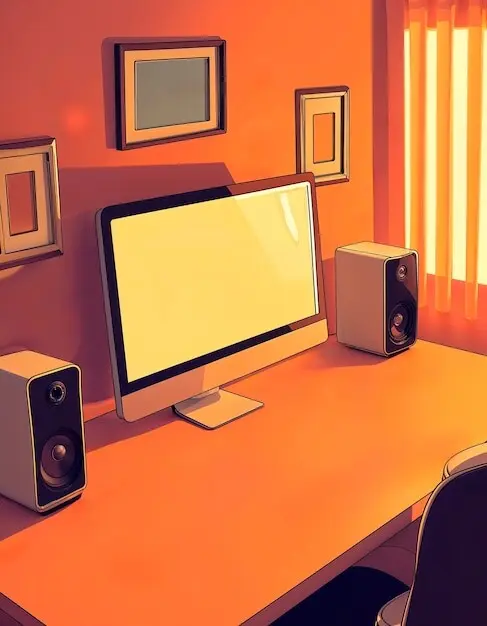
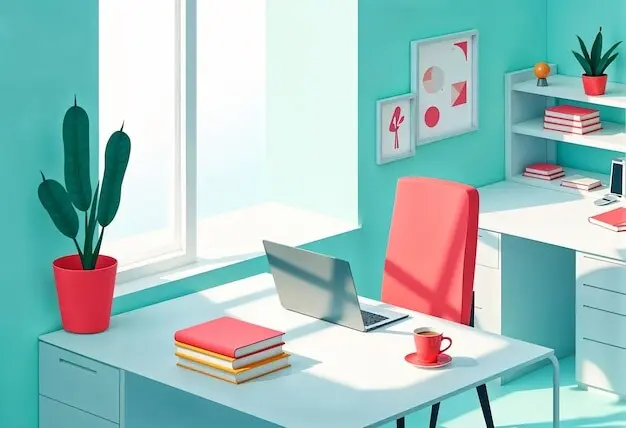
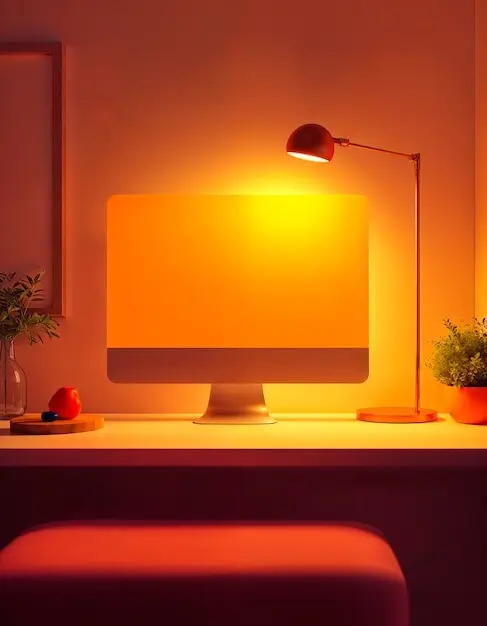
Light shapes alertness. Whenever possible, place the desk perpendicular to a window for bright, indirect daylight that reduces glare. Supplement with a desk lamp around eye-level, aiming for even illumination of notes and keyboard. Cooler, brighter light supports daytime focus; warmer tones help evenings wind down. Avoid harsh overheads that cause squinting or shadows. If you work beside someone, give each person a personal lamp. Control reflections by matte finishes and positioning screens away from direct beams.
Comfort That Supports Concentration
Comfort is not luxury; it is a foundation for stamina. A chair at the right height, a screen that does not strain your neck, and air that is neither stuffy nor chilly can extend productive time without willpower. With clever hacks, you can approximate ergonomic setups using books, cushions, and shoebox risers. Layer gentle movement breaks to keep energy steady. Add textures and scents carefully so the space feels welcoming, but never so stimulating that attention wanders.
Ergonomics on Any Budget
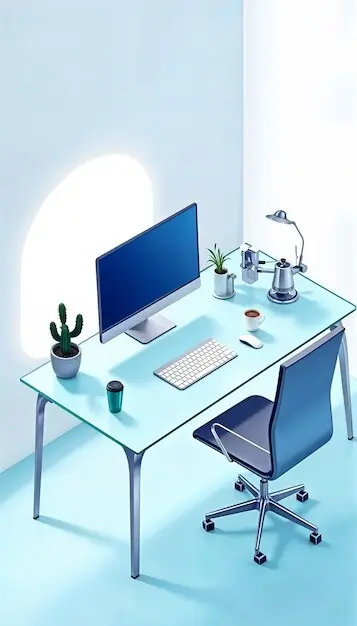
Aim for knees, hips, and elbows near ninety degrees, feet supported, and eyes level with the top third of the screen. No adjustable desk? Stack sturdy books under the laptop and use an external keyboard. Too-tall chair? Cushion the seat or add a footrest made from a box. Place frequently used items within easy reach to prevent twisting. A folded towel can support the lower back. These small tweaks reduce discomfort that steals focus minute by minute.
Move Better, Study Longer
Stillness eventually sabotages focus. Schedule microbreaks every twenty-five to forty minutes to stand, roll shoulders, and rest eyes using the twenty-twenty-twenty guideline. Keep a resistance band nearby for a quick stretch set between problem sets. Swap rigid sitting for dynamic sitting: occasionally perch forward or sit slightly reclined with support. A small water bottle invites sips and natural breaks. Return with a brief ritual—one deep breath, glance at the plan, and immediately tackle the next line.
Tech Boundaries That Stick
Devices are powerful allies and relentless distractors. The solution is not perfection; it is designing defaults that make wandering harder and returning easier. Establish a phone parking station outside arm’s reach, set predictable Do Not Disturb schedules, and use app blockers during study blocks. Prepare offline fallbacks for unstable connections. Collaborate with family on shared calendars and router settings. These layered, kind boundaries turn willpower battles into calm routines that protect energy for actual learning and creativity.

Sound, Silence, and Productive Audio
Silence is not always possible, and total quiet can feel eerie. Design an intentional soundscape that buffers chaos and supports rhythm. Soft materials, door seals, and strategic furniture dampen echoes. When noise persists, neutral masking like pink or brown noise smooths disruptions better than lyrical tracks. For some tasks, gentle instrumental music or nature sounds boost mood without hijacking attention. Anchor each session with a short opening cue, then invite readers to share favorite sound strategies below.



Motivation Without Clutter
Inspiration should spark effort, not steal attention. Curate a few meaningful cues that speak to your goals: a progress calendar, a short mantra card, or a single photo that reminds you why this work matters. Rotate items weekly to keep them fresh. Add a low-maintenance plant and a limited, calming color palette. End every session with a two-minute reset so tomorrow greets you with clarity. Share your setup photos, wins, and questions so we can learn together.
All Rights Reserved.