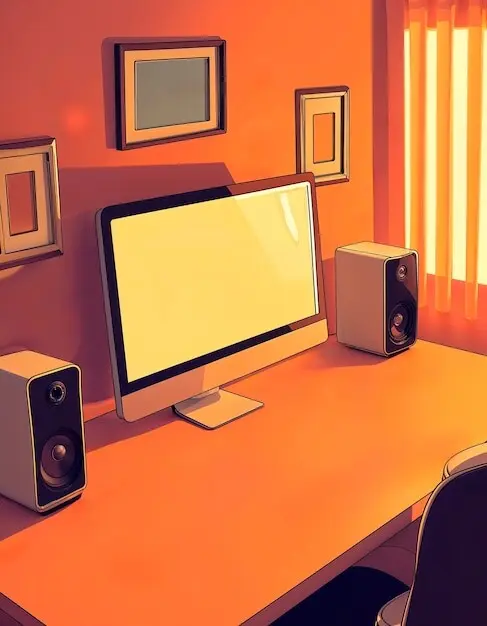

Shape Your Space, Sharpen Your Mind
Step into a practical, uplifting exploration of environment design for better focus, where rooms, tools, light, sound, and rituals are shaped to reduce friction and fuel deep work. We will show small, evidence-informed changes that unlock attention, share real stories, invite your experiments, and help you build a setup that supports energy, clarity, and calm from morning to evening. Subscribe and tell us what changed.


Light That Guides Attention
Balance daylight and task lighting to align energy with natural rhythms while protecting eyes from strain and screens from glare. Useful ranges, thoughtful angles, and layered warmth make concentration feel easier. As one reader discovered, a tiny desk shift restored mornings that felt lost for years.
Soundscapes That Protect Deep Work
Noise steals working memory and nudges attention toward vigilance rather than progress. Shape the air with absorbent textures, considerate signals, and gentle masking so interruptions dissolve. One designer swears by a tabletop fountain and soft rug, claiming they cut his afternoon restlessness more than coffee ever did.
Quiet Agreements That Make Focus Predictable
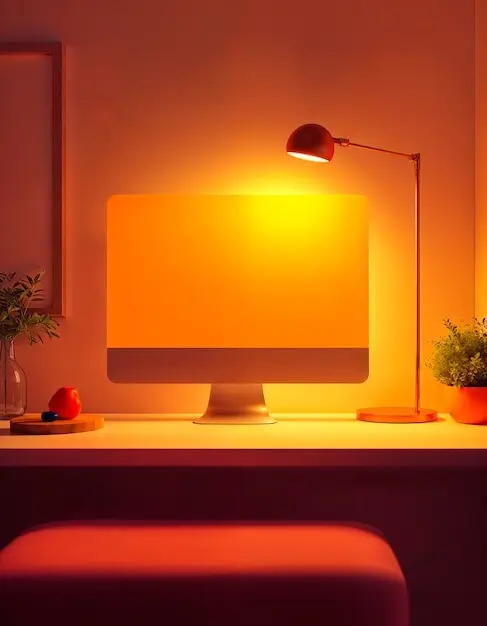
Create visible signals for availability, like a door tag or desk light, and share a daily schedule block where messages can wait. When roommates or teammates understand your windows for deep work, stray noises reduce. Invite your household to co-design the rules and celebrate streaks together.
Mask Distractions with Natural, Gentle Layers
Combine soft furnishings, curtains, bookshelves, or acoustic panels to absorb reflections, then introduce pink or brown noise around a conversational level to blur distant chatter. A small desktop fan or fountain can help. Share your favorite sound mix with readers and compare how energy changes across tasks.
Headphones as Courteous, Portable Boundaries
Choose comfortable headphones that let you stay present without broadcasting every keystroke to the room. Agree on a subtle cue for do-not-disturb, pick playlists without lyrics for writing, and keep volumes gentle. Post your go-to tracks and ask others which sounds carry them through complex thinking.
Layouts That Reduce Friction
Arrange tools so the next right action is physically easiest, while temptations require extra steps. Separate creation, communication, and storage zones to avoid mixing modes. A novelist moved the printer to another room and instantly stopped “just checking” drafts during drafting hours.
Single-Task Desks Beat Multitasking Altars
Keep only the current project’s materials within arm’s reach, with a shallow tray for staging and one pen you love. Hide parallel tasks in labeled bins out of sight. When the surface shows a single intention, the body follows with steadier energy and fewer stalled starts.
Movement Loops That Refresh Without Derailing
Plan a clear path for quick resets: a few steps to refill water, stretch, or look out a window. An adjustable desk supports posture changes; tidy cable slack keeps transitions smooth. Protect breaks with a two-minute sand timer to guard momentum and curb wandering online.

Digital Calm and Visual Hygiene
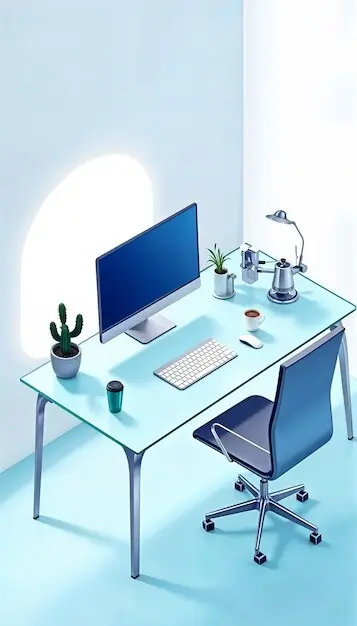
Screens, icons, alerts, and cables can scream for attention even when silent. Create breathing room with tidy power zones, simplified interfaces, and purposeful notification choreography. Several readers noticed creative leaps the week they decluttered desktops and narrowed tools to the few that reliably moved work forward.
Cable Discipline and Hidden Power
Mount a power strip beneath the desk, route cords through adhesive clips, and bind runs with reusable ties. Color-code chargers, leave a single accessible outlet for guests, and label both ends. The quieter the underbelly, the easier it becomes to sit down and start without excuses.
Interfaces That Reduce Decisions
Set minimalist wallpapers, hide desktop icons, and keep a single dock or taskbar with only essential apps. Use full-screen modes for drafting, and grayscale during deep sprints. Tell us which small change cut the most procrastination, then borrow another reader’s tweak for tomorrow’s session.
Notification Choreography That Respects Flow
Create distinct focus modes for writing, design, and collaboration, each with tailored whitelists and silent hours. Batch inbox checks, and replace buzzing reminders with a quiet analog timer in view. Share your schedule so colleagues sync expectations, protecting stretches where thought can unfold without fragmentation.
Rituals, Prompts, and Continuous Iteration
Spaces train behavior when paired with consistent cues. Use simple openings and closings, nourishing breaks, and gentle measurement to refine conditions week by week. A journalist tracked two-week experiments, found her sweet spot of light, music, and temperature, and finally outlined chapters without dreading the first sentence.
All Rights Reserved.